 Back to blogs
Different Types of Electronic Payment Methods
Cash payments are gradually diminishing and are being surpassed by lightning-fast digital transactions. With just a click, you can make payments while shopping online, pay school fees for your child, clear your insurance premiums and EMI, or receive social security benefits from the government.Various types of electronic payment systems available today allow us to manage our finances efficiently. In India, electronic payment methods like UPI and wallet-based payments are gaining traction because they are secure and efficient.This article looks closely at the different types of online payment methods and explores questions like what an e-payment system is. Let’s get started!
What is an Electronic Payment System?
So, what is an e-payment system? In simple terms, an e-payment system refers to an electronic payment system, which is simply the transfer of funds digitally, avoiding the use of cash. In fintech, it is critical and allow the smooth functioning of retail payments to corporate payments, to government business banking. To explain electronic payment systems, they can be initiated by using an app or card; they act as payment networks that securely processes transactions instantly.Whether it’s the types of electronic payment systems, such as UPI or a Merchant Account transaction, they rely on banks, payment processors, and technology to keep the wheels running.
Common Types of Electronic Payment Systems
Among the various e-payment methods available for transactions, below are some of the most common types of electronic payment.
Credit Cards
Credit cards allow users to make purchases or obtain cash on credit up to a set limit. They are accepted online and offline, which makes them easier to use. Credit cards are a classic among online payment types. You borrow money from a bank to pay now and settle later. Credit cards typically act as a linked funding source for wallets, while many e-wallets, especially in India, promote UPI/ bank linking for low-cost transactions.
Debit Cards
Unlike credit, debit cards pull funds directly from your bank account. A staple in types of electronic payment systems in e-commerce, they’re widely used for ATM cash withdrawals or POS and PG Payments.
Bank Transfers
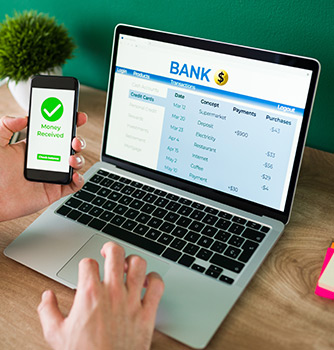
The “most common EFT types” vary by market. Globally, these typically include ACH, wire transfers, direct deposit, and electronic checks. In India, domestic bank transfers are primarily via NEFT, RTGS, and IMPS.In India, RTGS operates in batches, IMPS is instant, and NEFT operates in half-hourly batches (usually minutes to a couple of hours). But all work 24*7, all year round. International wires can still take 1–5 business days, depending on corridors and checks.
ACH Payments
Automated Clearing House (ACH) payments are a form of bank transfer in which transactions are done in batches. As with payroll, bill payments, and direct deposits, ACH transactions are known for being cost-efficient as well as dependable.
Where POS and Gateways Fit in the Flow of Electronic Payments
POS Payments
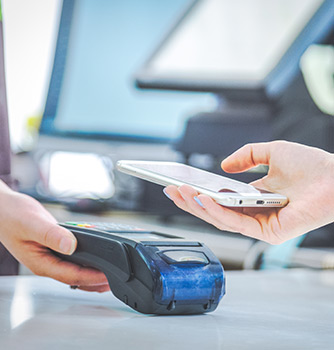
A POS terminal is essentially the doorway a store uses to take electronic payments. The payment itself doesn’t come from the machine. It’s carried by the actual methods running through it, that is, your debit or credit card, UPI, or any tap-and-go option.The terminal’s job is to read those details, confirm the transaction, and push it through the right rails so the checkout feels simple and quick for both sides.
Payment Gateways
A payment gateway plays a similar role online. It isn’t a payment method by itself; it’s the channel that carries the transaction from a website or app to the acquiring bank. The customer still chooses how to pay, whether by a card, UPI, net banking, or a wallet; the gateway simply makes sure the information travels safely and reaches the right place.Some gateways operate on their own, while others come as part of larger PSP setups like PayPal, Stripe, or Razorpay, where the gateway, merchant account, and processing tools sit together under one roof.
Advantages of Electronic Payments
Implementing electronic payment systems has many advantages:
- Speed and 24×7 availability: Payments clear faster than cash/cheques, with many rails operating round-the-clock.
- Convenience and reach: Customers can pay anytime, anywhere (online, in-app, contactless at POS), enabling remote and in-person commerce.
- Lower cash-handling burden: Reduces cash counting, shrinkage, and deposit logistics, saving time and operational cost.
- Better records and reconciliation: Automatic transaction logs, invoices, and bank feeds streamline accounting, audits, and GST/Tax reporting.
- Stronger controls: Features like OTP/AFA, tokenization, role-based access, and maker–checker approvals improve security and governance.
- Scalable collections and payouts: Bulk uploads, APIs, and scheduled payments support payroll, vendor payouts, and subscription billing.
- Improved customer experience: Faster checkout, saved payment methods, and refunds/charge reversals handled within defined SLAs.
- Data and insights: Rich transaction data supports analytics, loyalty programs, fraud monitoring, and better credit/risk decisions.
- Broader acceptance options: Support for cards, UPI/real-time rails, wallets, and BNPL widens customer choice and conversion.
- Financial inclusion enablers: Agent networks and low-cost digital rails extend services to underbanked segments.
Challenges and Considerations in E-Payment Systems
While e-payment systems do offer several benefits, they also present certain challenges:
- Security concerns: Even with strong protective measures in place, the risk of being a target of a cyber-attack or data breach looms large.
- Technical issues: Downtimes and other technical issues serve to erode user trust and prevent transactions from going through.
- Regulatory compliance: It is important to be agile and diligent while working their way through a web of financial regulations.
- User adoption: Persuading users who have only ever relied on traditional methods to adopt electronic systems can be difficult, particularly amongst older and less tech-savvy individuals.
The Future of Electronic Payment Systems
Increased adoption of artificial intelligence, blockchain technology, and biometrics will shape electronic payment systems in the future by making them more secure and easier to navigate for users.
The increase in mobile devices and internet access has continued to enhance the global use of e-payment methods. This advancement is supported by market-responsive services such as Retail Payments and Government Solutions.
Conclusion
From types of electronic payment systems in e-commerce to everyday e-payment methods, all have contributed in some way to how we do transactions. The various forms of online payment, be it swiping a card, tapping a phone, or UPI payments, make life easier.
FAQs?
1. Which electronic payment method is best for online businesses?
UPI, IMPS, and Wallet payments are ideal for fast and secure transactions.
2. Can small businesses use electronic payment systems?
Yes, small businesses can use Retail Payments, Merchant Accounts, and UPI for seamless transactions.
3. Are electronic payment methods secure?
Yes, they use encryption, multi-factor authentication, and fraud detection to ensure security.
4. What are the benefits of using electronic payment methods?
They offer speed, convenience, lower transaction costs, better record-keeping, and enhanced security. Besides, most electronic payments can be made 24 x 7 and while being remote.
5. What is the difference between bank transfers and ACH payments?
Bank transfer is an umbrella term. It covers multiple rails: real-time/near-real-time systems (e.g., RTGS/wire, IMPS, Faster Payments, SEPA Instant), scheduled/batch systems (e.g., NEFT), and ACH in the U.S.